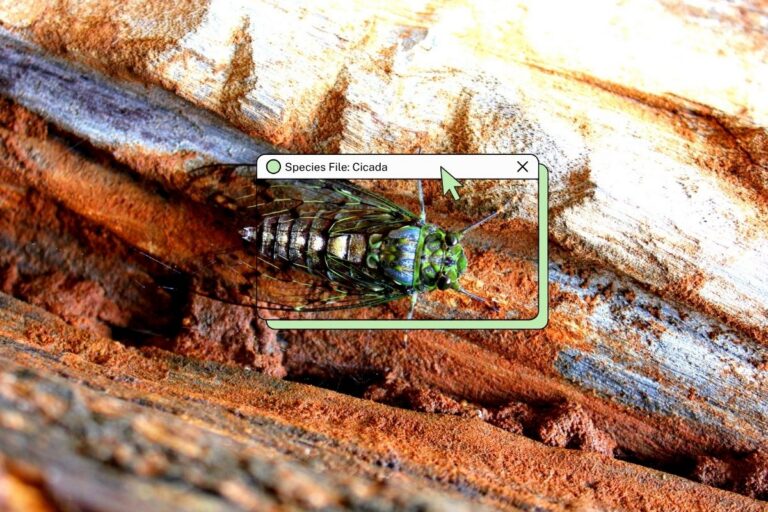
Species File: Exploring India’s biodiversity, one species at a time. In a Meghalaya village, the World Cup isn’t the only event on a four-year cycle. The forests, too, come alive with the return of the niangtaser cicadas (Chremistica ribhoi). Known for their four-year life cycle, these insects’ return coincides with the football World Cup, giving them the nickname ‘World Cup cicadas’. Cicadas (Cicadoidea) are insects belonging to the order Hemiptera, known for their loud, distinctive calls and long underground life cycles. It is only when they are ready to metamorphose into an adult that they emerge from the ground. The most defining feature of cicadas lies in the sound they make, produced exclusively by males, who sing to attract female partners. Their calls, produced by repetitive vibrations in the tymbal membrane on their abdomen result in their characteristic sound, which can reach over 100 decibels. Each species has its own specific call. The collective sound of cicadas also acts as a “very good indicator of forest health.” Despite scientists discovering new species of cicadas in the Western Ghats and northeast India in recent years, these insects remain understudied. While cicadas as a group are not collectively listed on the International Union for Conservation of Nature (IUCN) Red List, some individual species are in the least concern or near threatened categories. In India, the cicadas are not listed under the Wildlife Protection Act 1972, lacking formal legal protection. For ecologists, cicadas are more than just sources of sound. They play an…This article was originally published on Mongabay