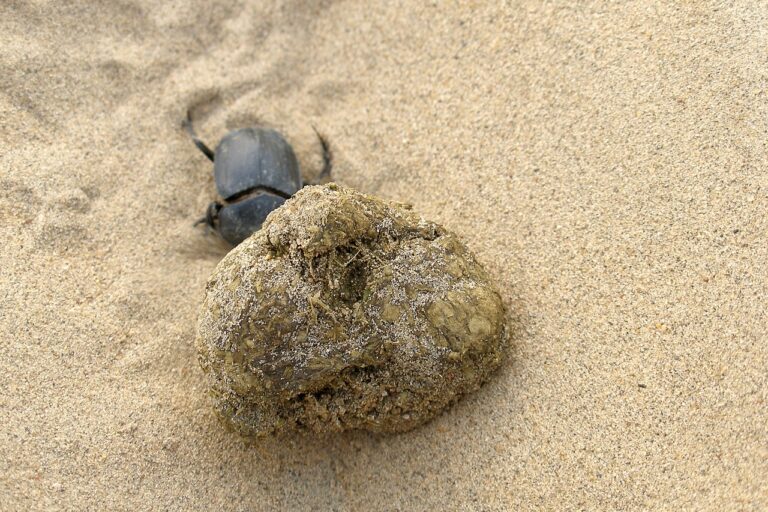
For human beings, the topic of excreta is considered a subject of disgust and embarrassment. The Big Book of Wild Poop, written by Shweta Taneja, sets out to change the narrative of how humans, children in particular, view poop. In the animal world, excreta is not waste but information, food, camouflage and defence, the book says. For a dung beetle or a worm, it is a source of multivitamins. Some spiders disguise themselves with it to escape predators, while hoopoe mothers use it to protect their chicks. “Poop is a shushed subject for kids. We want to bring it out into living rooms, into play areas and schools and talk about this subject openly, without shame,” says Taneja. “It’s not disgusting, it’s scientific.” Taneja, known for writing science and fiction for both children and adults, makes an unglamorous subject like excreta palatable, by blending humour with science. The book takes an easy, humorous approach to explaining how ecosystems function. It shows how animal droppings help disperse seeds, recycle nutrients and even support climate processes by aiding forest regeneration. Publisher: WWF -India, Juggernaut and Indian Pitta Print length: 80 pages Publication date: January 23, 2026 Genre: Nonfiction The Big Book of Wild Poop introduces children ages nine to 13 to the taboo topic of poop, using humour to share the science of how animal droppings reveal behaviour, diet, ecology and more. It is one of the first books on wild animal scat exclusively focusing on India. The book, published by…This article was originally published on Mongabay