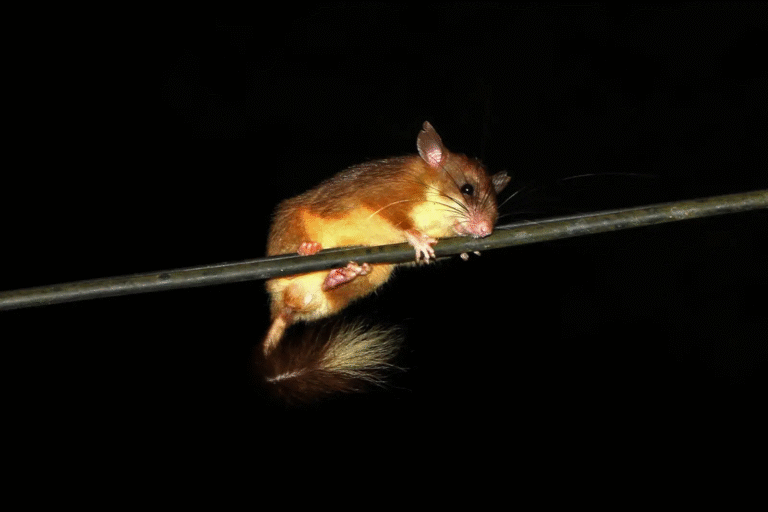
Small rodents including rats have shared spaces with human civilisation for a long time as they live in proximity to people using the food, water and habitat shaped by human societies. References to rodents abound in folklore, stories, and often in negative idioms or phrases in multiple languages. While rats and other small rodents are widely recognised for the damage they cause, in some societies, they also are integral to daily lives. See for instance the worship of Karni Maata in Rajasthan, where rats and other small rodents hold a special significance in temples. In many tribal and rural communities, rats and other small rodents are also viewed as a source of food, with their consumption being welcomed and encouraged, especially since they are not considered endangered yet and they are appreciated for their taste and are an integral part of local diets. Rats and other small rodents are very unique animals in the world of the Iruliga Adivasi people. The Irula or Iruliga are one of the Adivasi communities of Karnataka and are recognised as a Scheduled Tribe (ST) under the Indian Constitution’s affirmative action provisions in Karnataka and Tamil Nadu. In Karnataka, the Iruligas are included in the state ST list which identifies 50 ST communities. Among these at least 12 communities including the Iruliga self-identify as Adivasi (‘first people’ in many Indian languages). As per the 2011 census reports, 10,259 Iruliga live in Karnataka, majorly living in Ramanagara and urban districts of Bengaluru and constitute a small…This article was originally published on Mongabay