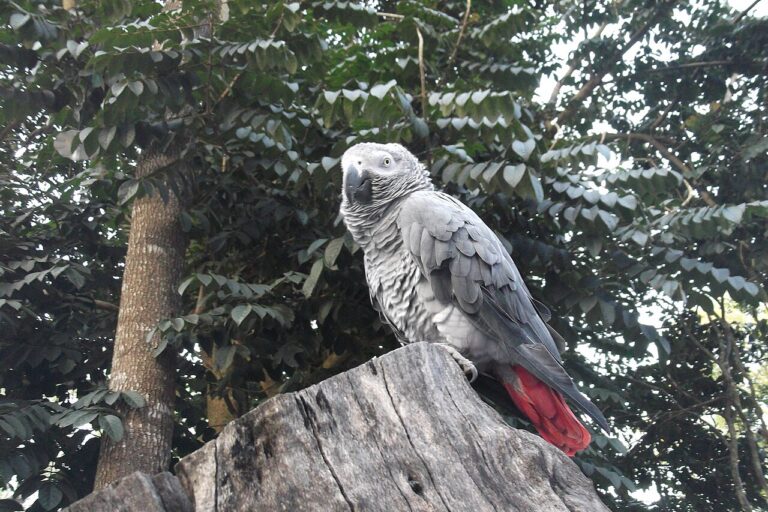
This is Part 4 of a series on exotic pet trade. The series looks at the health impacts, legal challenges and the ecological consequences of keeping exotic wild animals as pets. Part 1 explores how the trade enables zoonoses; Part 2 observes how India is emerging as a link in the global primate trade; and Part 3 raises the animal welfare and ecological concerns of abandoned or escaped pets. Jose Louies has witnessed India’s wildlife pet trade scene change dramatically over the last decade and a half. The CEO of the non-profit Wildlife Trust of India (WTI), he calls himself an “old hand in the business”, having relentlessly tracked the trade over the last two decades. In the early years of the millennium, Louies recalls, colourful birds and large parrots such as sulphur-crested cockatoos and macaws were mainly seen in circuses. “Even zoos had very few exotic animals,” he says. Some of the ultra-rich may have kept a parrot or two in their farmhouses, while pet markets at Jama Masjid, Crawford Market in Mumbai and markets in Kolkata had budgerigars, cockatoos and other small exotic birds. “The markets were quite discreet and there were hardly any exotic mammals,” Louies says. Native species such as Alexandrine parakeets and Indian hill myna were seen in illegal markets, while goldfish were mostly preferred as pets. Forest departments and organisations such as PETA and People for Animals (PFA) were also quite active in monitoring or cracking down on illegal trade, he recalls. Louies observed…This article was originally published on Mongabay