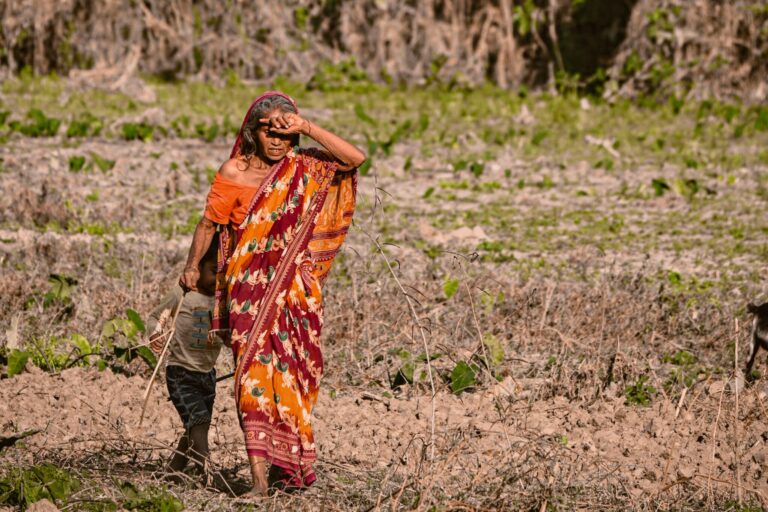
India witnessed yet another record-breaking summer this year. As scorching temperatures become the new norm, a new technical paper calls for a more granular understanding of gender and age-specific risks of heat stress. The paper, Gender-differentiated and age-specific risks of heat stress in a warming world: Implications for equality and resilience, by Venge Nyirongo, Deputy Chief of Economic Empowerment and Policy Advisor for Sustainable Development at United Nations (UN) Women, highlights that heat stress affects men, women, children, adults and older people differently. Nyirongo explains that biological responses vary between men and women. While men have higher sweat rates than women, mortality from heat stroke and heat-related cardiac events is significantly higher among men. Heat impacts also emerge from the interaction of biological differences and gendered social roles, notes the paper. Strenuous physical work performed outdoors, primarily by men, raises internal body temperatures, placing them at greater risk of heat-related illnesses. For women, the paper notes, the impacts of passive heat exposure experienced indoors during heatwaves are a significant concern. It also points out that much of the agricultural work undertaken by women, such as transporting water or watering seedlings, is carried out during the hottest parts of the day, often without sufficient knowledge about heat impacts or access to cooling measures. “These patterns likely reflect both biology and social behaviour,” writes Nyirongo. He stresses the need for more data collection, monitoring and research to develop targeted heat adaptation measures across different demographic groups. “The paper underscores that a significant…This article was originally published on Mongabay