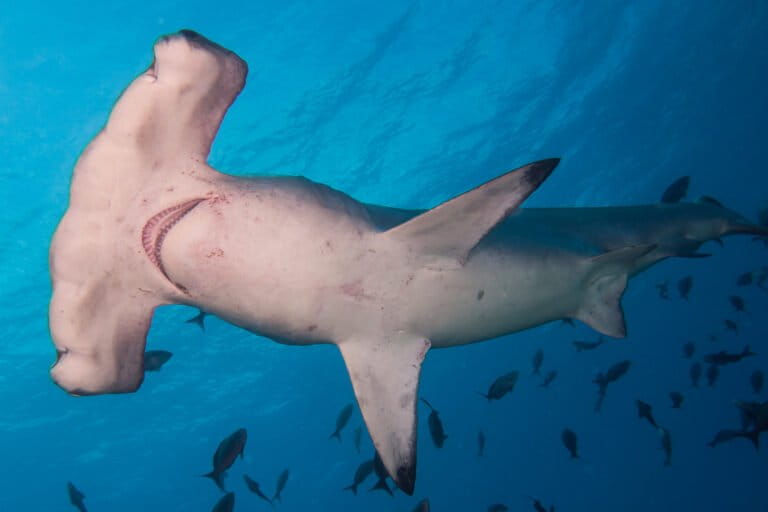
For more than 400 million years, sharks have survived on Earth, outlasting dramatic climatic shifts and multiple mass extinctions. But since 1970, the global abundance of sharks and rays has reduced by 71%. During the same period, fishing pressure doubled, and shark and ray catches tripled. Unabated extraction and the destruction of key nursery and feeding grounds have pushed many populations of sharks and their relatives, rays and chimaeras, into steep decline. Today, more than three-quarters of these species are threatened with extinction. According to a 2021 study, India is the world’s second-largest shark-fishing nation, occupying a critical position in the future of shark and ray conservation. Yet many of the country’s existing marine protected areas exclude key habitats of these species, which can limit the effectiveness of current conservation efforts, finds a new study, published in Biodiversity and Conservation. “This study highlights that new efforts are needed to ensure that sharks and rays also receive adequate protection, just like sea turtles, dolphins, and so on,” says Divya Karnad, a senior lecturer at the University of Exeter and an author of the study. Scalloped hammerhead sharks at Sasson Dock, Mumbai. Image by Raju Kasambe via Wikimedia Commons (CC BY-SA 4.0). Mismatched conservation targets and reality The study maps Important Shark and Ray Areas (ISRA), a framework by the IUCN Species Survival Commission Shark Specialist Group, to identify habitats essential for the survival of sharks, rays, and chimaeras. ISRAs are discrete areas where these species occur regularly or predictably and which…This article was originally published on Mongabay