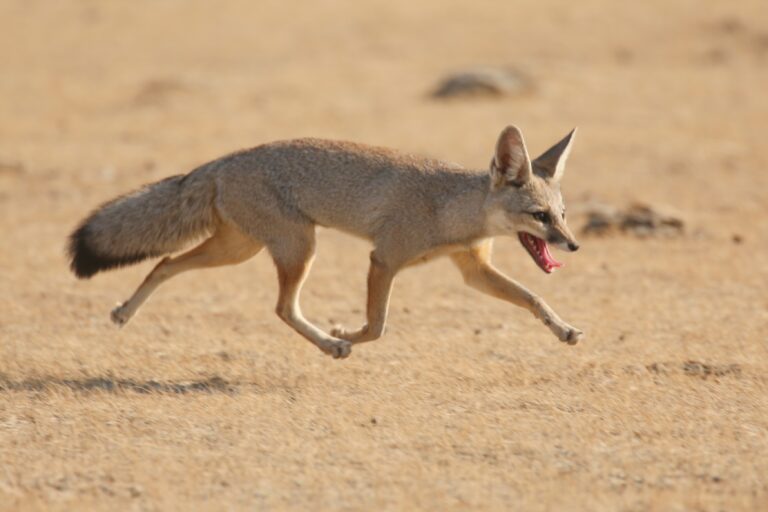
The Banni grasslands of Kachchh represent one of the most unique, complex, and fragile ecological mosaics in the Indian subcontinent. For centuries, this vast expanse in the western state of Gujarat has been shaped by the harmonious coexistence of diverse wildlife and the Maldharis, a traditional pastoralist community. The region gained greater conservation recognition earlier this year when its Chhari Dhandh wetland was designated as a Ramsar site in January, making it Kachchh’s first and Gujarat’s fifth Ramsar site, highlighting the wetland’s critical biodiversity. However, a proposed solar power plant near the wetland has sparked concerns over its ecological impact and triggered opposition from local communities. The solar power plant, proposed by the NTPC Renewable Energy Limited, will be spread over 4,500-acres as per the claim in the notice published by the Fulay Juth (group) gram panchayat in the newspaper on May 12. Documents accessed by Mongabay-India reveal that the timeline for securing the required No Objection Certificates (NOCs) was initiated in 2024. According to local conservationists and a forest official, all of whom spoke on the condition of anonymity as they have been instructed to not speak to the media, the project has now begun active groundwork, with site surveys, fencing installation, and the management of Prosopis juliflora underway. However, conservationists, ecologists, wildlife photographers, and local pastoralists fear that the project will cause irreversible damage to the ecology of Chhari Dhandh wetland. A herder with camels in the lush grasslands bordering the Chhari Dhandh wetland in Kachchh, Gujarat, which received…This article was originally published on Mongabay